Most California homeowners spend $1,200 to $2,800 on whole-home rodent proofing in 2026. A small job sealing a handful of known entry points can run $400 to $1,000. A full job that includes attic decontamination and insulation replacement can reach $8,000.
That spread is not contractors guessing. It reflects a real difference in what is being sold, and homeowners routinely compare two quotes that are for entirely different work.
There is also a more expensive mistake available here, and plenty of people make it: paying for monthly pest control indefinitely while never sealing the holes the rodents are using.
Rodent Proofing Cost by Scope
| Service Level | Typical Cost |
| Inspection | Free – $150 |
| Basic exclusion (a few known entry points) | $400 – $1,000 |
| Standard whole-home exclusion | $1,200 – $2,800 |
| Exclusion + attic decontamination | $2,000 – $4,500 |
| Full restoration (exclusion, cleanup, insulation replacement) | $3,000 – $8,000 |
Individual line items:
| Component | Typical Cost |
| Attic sanitation and decontamination | $500 – $2,000 |
| Contaminated insulation removal | $1.00 – $2.50 per sq ft |
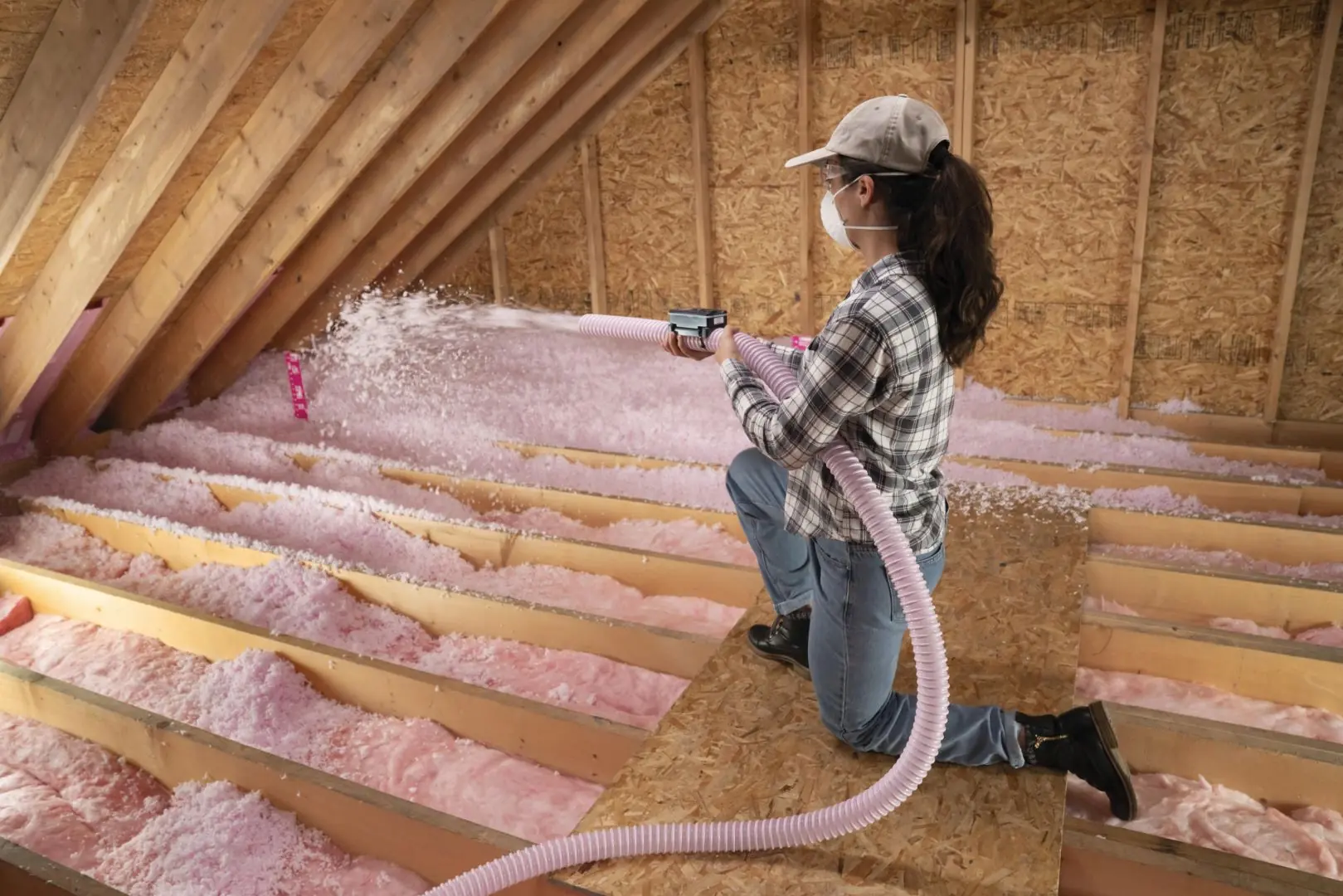
| New attic insulation | $1.50 – $2.80 per sq ft |
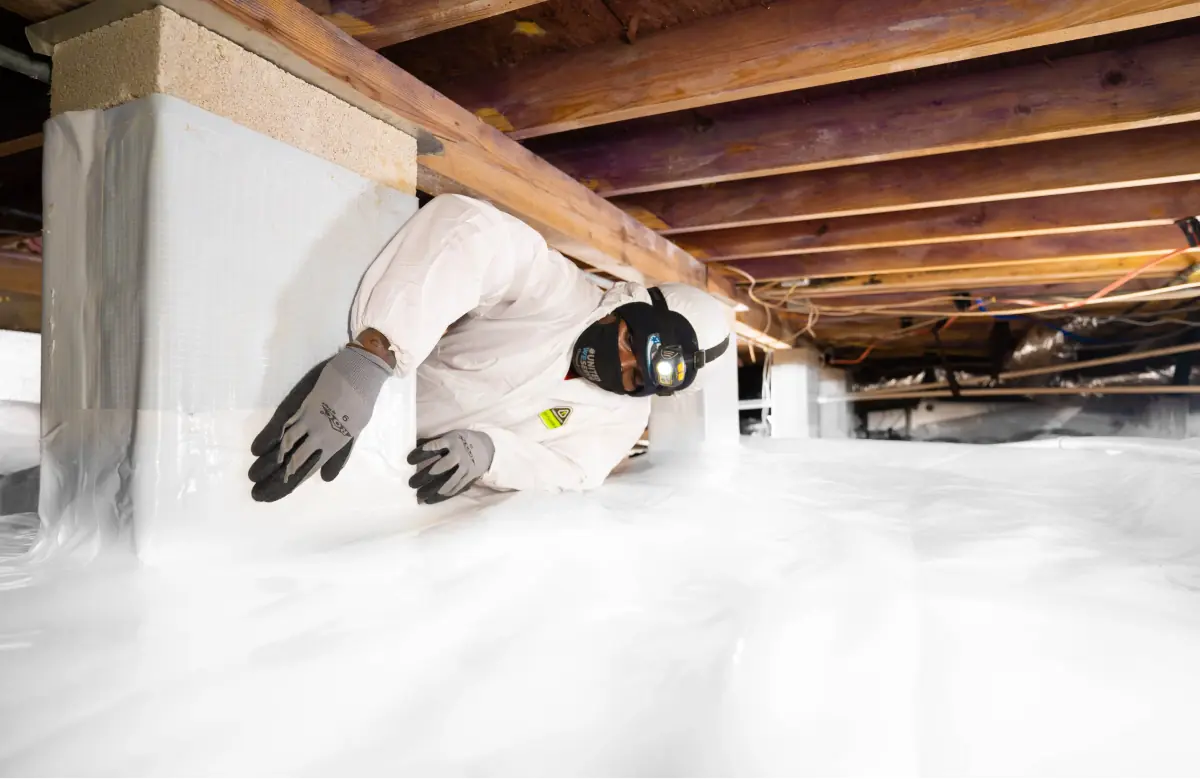
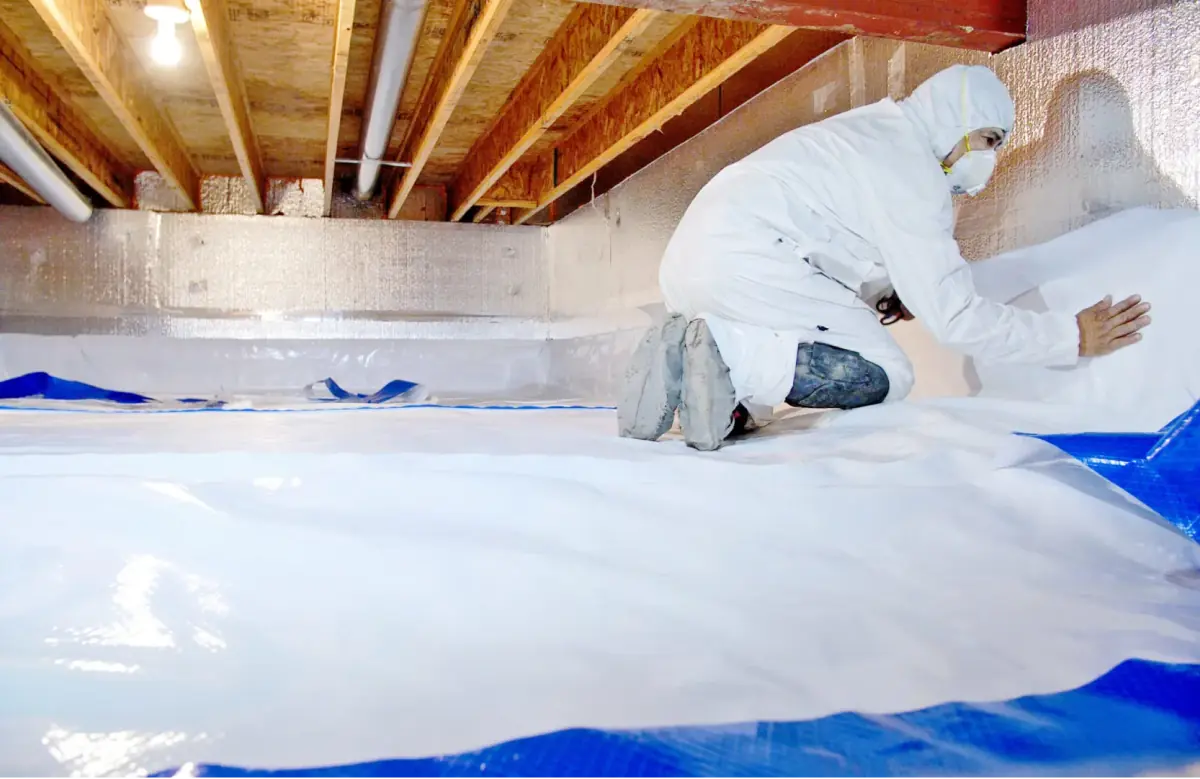
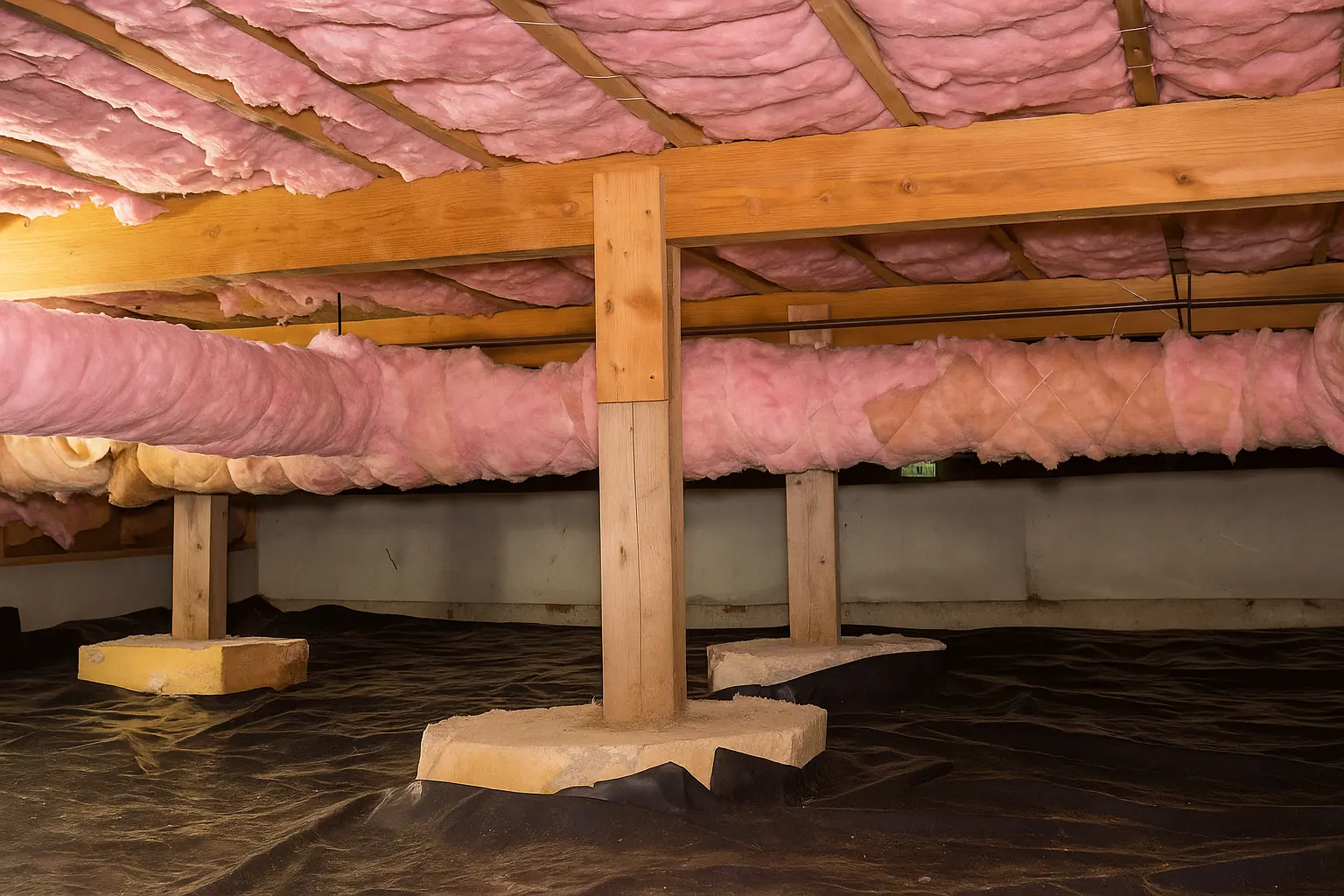
| Crawl space cleanup | $500 – $1,500 |
| Crawl space vapor barrier replacement | $1.00 – $3.00 per sq ft |
| Trapping and removal | $150 – $500 |
Exclusion vs. Extermination: Where the Money Goes Wrong
This is the single most useful thing to understand before you spend anything.
Extermination removes the rodents that are currently in your home. Traps, bait, service visits.
Exclusion seals the openings they used to get in. Steel mesh, hardware cloth, sheet metal, mortar.
Extermination without exclusion is a subscription. You kill the rodents in your attic, the entry points stay open, and new rodents move into the vacated space. That is why so many households end up on $45 to $85 monthly pest control plans that never quite resolve anything. Over three years, that is $1,600 to $3,000 spent without ever fixing the cause.
Exclusion is a one-time construction job. Done properly, it ends the problem.
Extermination has its place. If you have an active infestation, the rodents inside need to come out before you seal the building, or you seal them in. The right sequence is:
- Inspect and identify every entry point
- Remove the active population
- Seal all entry points with rodent-proof materials
- Decontaminate and remove soiled insulation
- Restore insulation
Skipping step 3 is the expensive version.
The One Material That Should Disqualify a Quote
If a contractor plans to seal entry points with expanding spray foam, walk away.
Rats chew through expanding foam in minutes. It is soft, it is fast to apply, and it looks like a repair for about a week. It is the shortcut that makes a cheap quote possible.
Acceptable rodent-proofing materials:
- Galvanized hardware cloth (1/4 inch mesh or smaller)
- Sheet metal or flashing
- Stainless or galvanized steel mesh
- Mortar or concrete for foundation gaps
- Copper mesh packed into irregular gaps, usually backed with sealant
Foam and caulk have a legitimate role as a sealant over metal, closing air gaps and finishing the work. They are never the barrier itself.
A useful question to ask any contractor: what material are you sealing with? The answer tells you most of what you need to know about the quote.
What Drives Your Price
Number and location of entry points
Mice fit through a gap the size of a dime. Rats fit through a quarter. A typical home has more openings than anyone expects: roof-to-fascia separations, gable and soffit vents, utility and plumbing penetrations, crawl space vents, dryer vents, garage door corners, and gaps at the mud sill.
Roofline work costs more than ground-level work. It requires ladders, roof time, and often carpentry on aging fascia.
Home age and construction
Homes built before 1960 cost more to proof. Older Central Valley housing has settled foundations, gapped mud sills, wood-framed vents that have rotted, and crawl spaces with irregular access.
Newer tract homes in Manteca, Tracy, and Mountain House are usually cheaper to seal, with fewer and more predictable entry points.
Attic and crawl space accessibility
Low-clearance spaces mean crawling to reach far corners. That is slow work and it shows up in labor hours.
Contamination level
This is the largest variable, and the one that turns a $1,500 job into a $5,000 one.
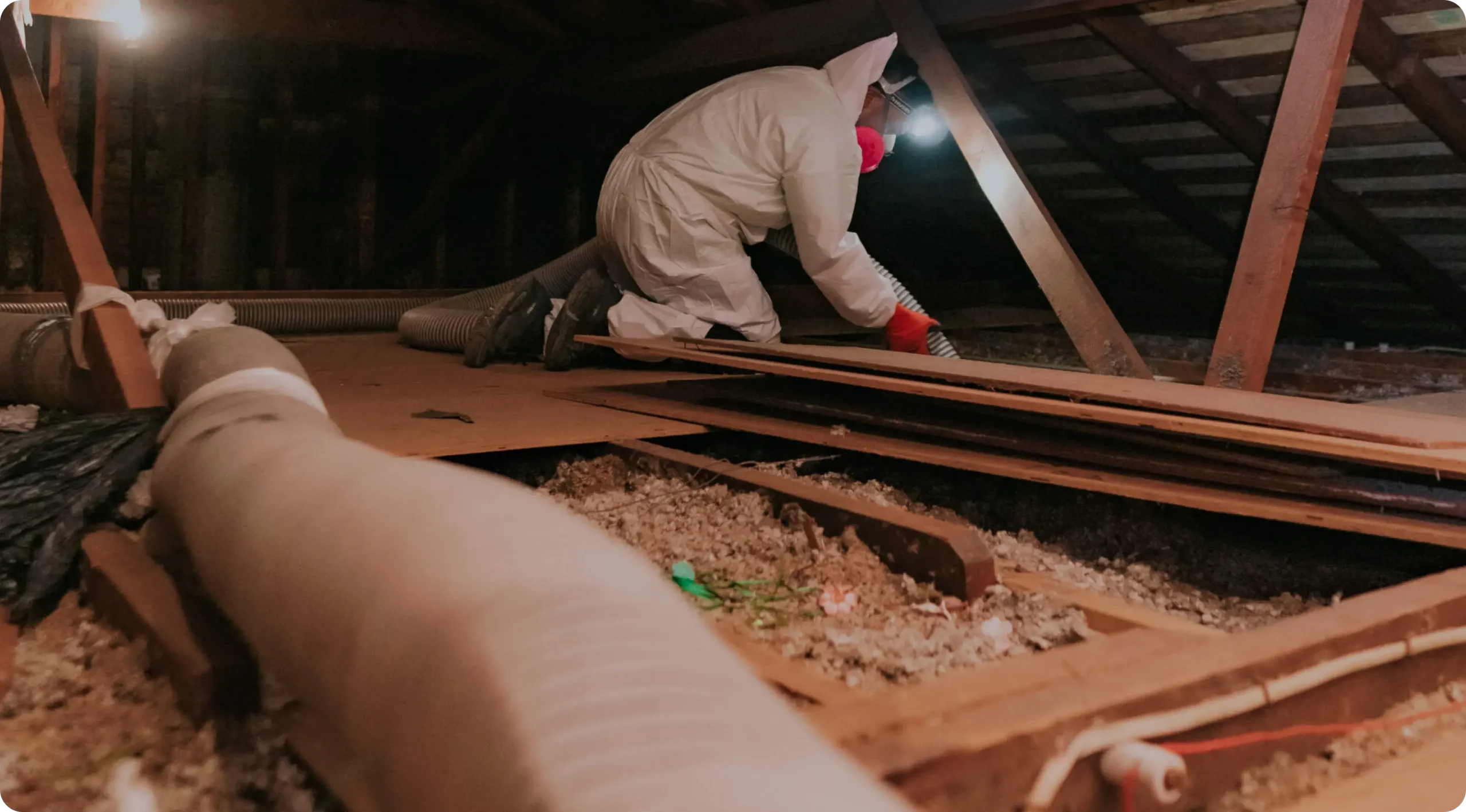
Rodent urine and droppings soak into insulation and do not come out. Contaminated insulation has to be removed, the space sanitized, and new insulation installed. On a 1,500 sq ft attic, removal and replacement alone runs $3,700 to $8,000.
Contamination is also the part homeowners most often try to skip. Covering soiled insulation with fresh material seals the odor and bacteria into your attic, and the smell will find its way into the house.
Whether the crawl space is involved
If rodents entered below, you are looking at crawl space cleanup and usually a torn vapor barrier that needs replacing.
Why the Central Valley Is Different
Most rodent content online is written for San Francisco or Los Angeles, and it talks about Victorian balloon framing and sewer rats. That is a real problem in those cities. It is not the Central Valley’s problem.
Here, three local factors drive rodent pressure:
Agriculture. Stanislaus, San Joaquin, and Merced counties are surrounded by orchards, row crops, and dairy operations. Field mice and rats live in that landscape year-round, and homes near open farmland face constant pressure from outside populations that never go away.
Harvest timing. When fields are cut and orchards are harvested in late summer and fall, the cover and food supply disappear at once. Displaced rodents move outward, and the nearest structure is a house. October through December is peak entry season in the Valley, which makes late summer the ideal time to seal a home.
Irrigation and landscaping. Regular watering next to foundations keeps soil soft and vegetation dense, both of which favor burrowing and give rodents cover right up to the wall.
What you are likely dealing with:
| Rodent | Where | Typical entry |
| Roof rats | Attics, upper structure | Roofline, vents, tree branches |
| Norway rats | Crawl spaces, ground level | Foundation gaps, burrows, sewer lines |
| House mice | Anywhere | Any gap over a quarter inch |
| Field/deer mice | Rural and edge properties | Ground level, garage, crawl space |
Deer mice matter for a specific reason: they are the primary carrier of hantavirus in California, and rural and semi-rural Valley properties are exactly where they show up. Dry droppings and nesting material should never be swept or vacuumed, because that aerosolizes particles. Professional decontamination uses containment and appropriate protective equipment for this reason.
Estimated Cost by City
Standard whole-home exclusion, single-story home, no major contamination:
| City | Estimated Range |
| Modesto | $1,100 – $2,600 |
| Stockton | $1,200 – $2,700 |
| Turlock | $1,100 – $2,500 |
| Manteca | $1,100 – $2,600 |
| Lodi | $1,200 – $2,700 |
| Tracy | $1,300 – $2,900 |
| Morada | $1,200 – $2,700 |
| Sacramento | $1,400 – $3,100 |
Central Valley pricing runs meaningfully below Bay Area and San Francisco rates, where comparable exclusion work commonly reaches $2,500 to $6,000 because of older, more complex housing stock.
Insurance Will Not Cover This
Worth knowing before you call your agent. Standard homeowners policies classify rodent damage as a maintenance issue, not sudden or accidental damage. Removal, cleanup, insulation replacement, and repairs come out of pocket in nearly all cases.
That changes the math on prevention. Sealing a home before rodents establish themselves costs a fraction of remediating after they have, and there is no policy that will make up the difference.
What a Real Quote Should Include
- A written list of specific entry points the contractor plans to seal. If they cannot name them, they did not do a real inspection.
- The sealing materials, by name. Metal, not foam.
- Whether attic and crawl space were both inspected, not just an exterior walkthrough.
- Contamination assessment, and whether cleanup and insulation are included or quoted separately.
- Warranty terms, in writing. Reputable exclusion work carries a re-entry guarantee, meaning that if rodents get back in through a sealed point during the warranty period, the contractor returns and fixes it at no charge. One to three years is common in California. Longer terms exist and are worth asking about, since a company willing to stand behind the work for five years is making a statement about how it seals.
- Licensing. Structural sealing is construction work performed under a contractor’s license. Trapping and pesticide application fall under the California Structural Pest Control Board, where operators hold Branch 2 licenses. If a single company is doing both, confirm they are covered for both. Both are searchable online in about two minutes.
Two red flags: a quote given without anyone entering the attic, and a price that drops substantially the moment you hesitate.
Frequently Asked Questions
How long does rodent proofing take? Most Central Valley homes are sealed in one day. Add days for attic decontamination and insulation replacement.
Will sealing my house trap rodents inside? It can, which is why removal comes before sealing. A contractor who seals first without addressing the active population is doing it in the wrong order.
How do I know if I still have rodents? Scratching or scurrying sounds at dusk and dawn, fresh droppings, gnaw marks on wood or wiring, greasy rub marks along beams, and a persistent ammonia smell. Fresh droppings are dark and soft; old ones are gray and crumble.
Can I do this myself? You can seal accessible, visible gaps. The openings homeowners most reliably miss are the ones rodents most reliably use: roof-to-fascia separations, interior wall voids connecting the crawl space to the attic, and utility penetrations behind appliances.
Does rodent damage affect my home’s value? It affects the sale. Contaminated insulation, gnawed wiring, and droppings show up in inspection reports and become negotiating points or repair demands.
How often should a home be re-checked? Every couple of years for most homes, annually if you back onto farmland or open space. Sealing degrades as buildings settle and materials age.
Is rodent damage a fire risk? Yes. Rodents gnaw constantly, and electrical wiring in attics and walls is a frequent target. Chewed insulation on wiring is a documented ignition source, and older homes with aging wiring are more exposed.
Get a Straight Quote for Your Home
The only way to price this accurately is for someone to inspect your attic, your crawl space, and your entire exterior, then hand you a written list of what needs sealing.
CA Attic Solutions has served the Central Valley and Northern California for over a decade. We seal with metal, not foam, and every rodent proofing job is backed by a 5-year warranty. Free, no-obligation inspections across Modesto, Stockton, Turlock, Manteca, Lodi, Tracy, and surrounding communities.
Get your free rodent proofing inspection
Related services: Rodent Proofing · Rodent Proofing in Modesto · Rodent Proofing in Stockton · Rodent Proofing in Tracy · Attic Insulation Removal · Crawl Space Cleanup · Vapor Barrier Installation